


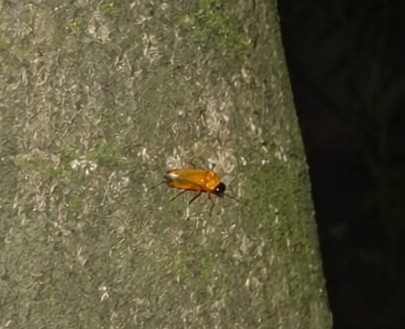
By Amisha Kumari / With the arrival of the monsoon, nature quietly unveils some of its most fascinating wonders. Among them are fireflies—tiny, glowing beetles whose enchanting flashes have inspired curiosity and admiration for generations. Once commonly seen across many parts of India, fireflies have become increasingly rare in urban landscapes due to habitat loss, excessive artificial lighting, pesticide use, and environmental degradation.
This monsoon brought a delightful surprise for nature enthusiasts in Patna. A small population of fireflies was observed in the southern part of the city. Such sightings are uncommon in Patna, making this observation especially significant for those who value biodiversity and the importance of conserving urban green spaces.To celebrate this remarkable discovery and spread awareness about these fascinating insects, Team Environment Warriors organized a Firefly Walk in southern Patna. The walk was led by Sabhyata Kumari and Mr. Nishant Ranjan, Director, Environment Warriors (EW), along with the team and a group of enthusiastic participants, including children, students, and local residents who shared a keen interest in nature. The event was more than just a nature walk; it was an opportunity to experience biodiversity firsthand and understand why even the smallest creatures play a vital role in maintaining ecological balance.
During the walk, participants learned that fireflies are not flies at all—they belong to the beetle family Lampyridae. Their characteristic glow is produced through a natural phenomenon known as bioluminescence, in which a chemical called luciferin reacts with oxygen in the presence of the enzyme luciferase, producing light with very little heat. This remarkable adaptation is primarily used for communication and courtship, enabling males and females of the same species to recognize one another through distinct flashing patterns.
Fireflies are also considered valuable indicators of a healthy environment. They thrive in moist habitats with abundant vegetation, minimal disturbance, and low levels of artificial lighting. Their presence often reflects favourable ecological conditions, while their disappearance may signal habitat degradation or environmental stress. The monsoon season provides ideal conditions for their activity, as increased humidity and moisture support their life cycle.Children participating in the walk were especially fascinated by the gentle flashes illuminating the evening landscape. Through interactive discussions and field observations, they discovered how simple actions—such as reducing unnecessary outdoor lighting, protecting natural vegetation, avoiding excessive pesticide use, and preserving habitats—can contribute significantly to the conservation of these remarkable insects.
The Firefly Walk also served as a reminder that cities like Patna continue to support pockets of biodiversity that deserve recognition and protection. Even a brief encounter with wildlife can inspire a deeper appreciation for nature and encourage communities to become active participants in conservation. Fireflies may be small, but their message is profound. Their fleeting glow reminds us that healthy ecosystems still exist where nature is allowed to flourish. Protecting these habitats today will help ensure that future generations can continue to witness the magical sight of fireflies illuminating monsoon evenings.Every glowing flash witnessed during the walk was more than a beautiful spectacle—it was a quiet reminder that conservation begins with awareness, appreciation, and collective responsibility.
By nurturing and safeguarding our natural spaces, we can ensure that these living lights continue to brighten our monsoon nights for generations to come.
*Amisha Kumari, Student Member, BNHS and Passionate Conservationist